Gaviscon Syrup: Your Complete Guide to Heartburn and Indigestion Relief
That burning sensation in your chest, the sour taste at the back of your throat, the discomfort that just won’t go away after a meal—heartburn and indigestion are incredibly common and can put a real damper on your day. If you’re looking for effective relief, you’ve likely come across Gaviscon syrup. But what makes it different from other antacids? How does it work, and how should you take it for the best results?
This comprehensive guide will cover everything you need to know about Gaviscon syrup, from its unique “rafting” action to proper dosage and important safety precautions.
What is Gaviscon Syrup?
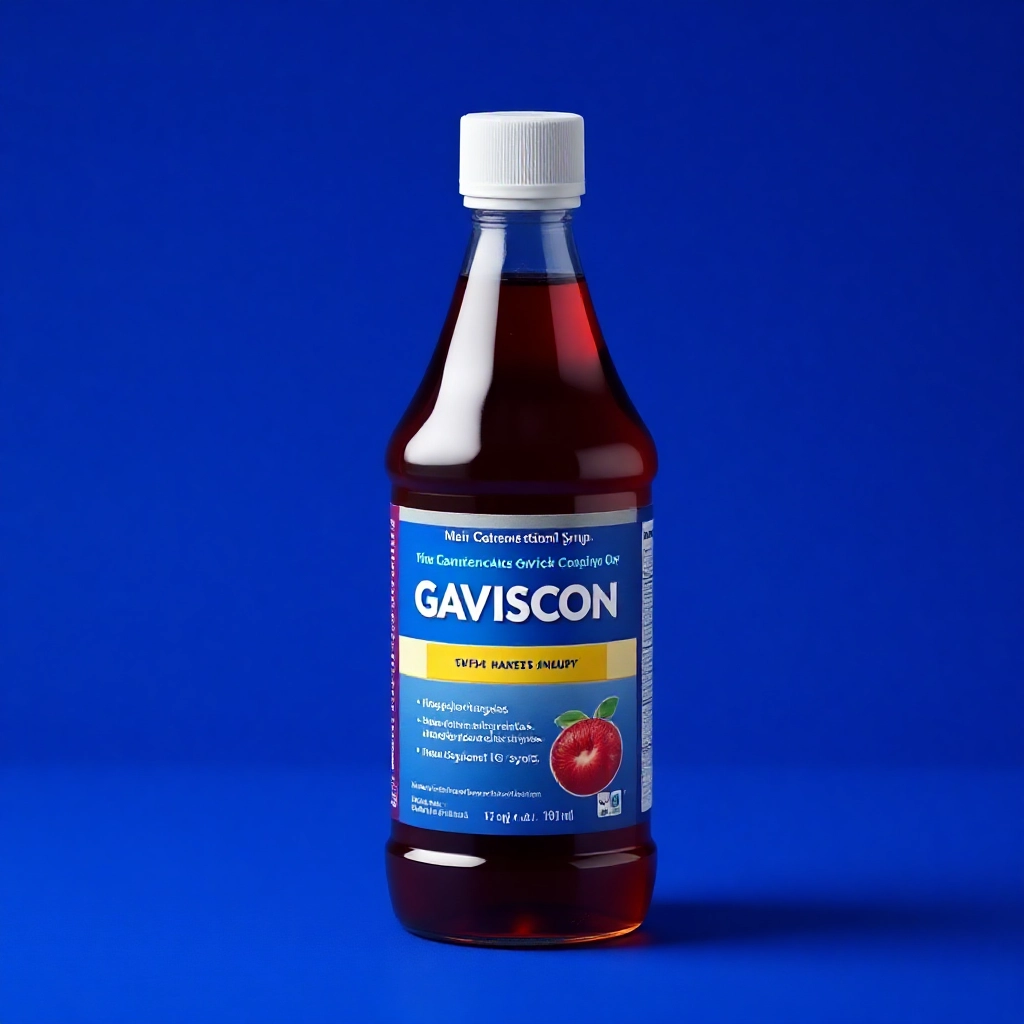
Gaviscon is an over-the-counter medication used to treat symptoms of acid reflux and indigestion . Unlike standard antacids that simply neutralize stomach acid, Gaviscon offers a unique dual-action approach. It comes in various forms, including liquids (syrups), chewable tablets, and powders, with the syrup being one of the most popular and fast-acting options.
The primary indications for Gaviscon syrup include :
- Heartburn (a burning sensation in the chest)
- Acid regurgitation (a hot, sour, or salty tasting fluid in the back of the throat)
- Indigestion
- Symptoms of excess stomach acid (hyperacidity)
How Does It Work? The “Raft” Formation Explained
The secret to Gaviscon’s effectiveness lies in its unique mechanism of action. It contains three key active ingredients that work together :
- Sodium Alginate (derived from seaweed)
- Sodium Bicarbonate
- Calcium Carbonate
Here is a step-by-step breakdown of what happens after you take a dose :
- Rapid Action: After swallowing, the sodium alginate reacts with the stomach acid.
- The “Raft” is Formed: The sodium bicarbonate and calcium carbonate react with stomach acid to produce tiny bubbles of carbon dioxide. These bubbles get trapped in the alginate gel, causing it to float to the top of your stomach contents, much like a life raft.
- Physical Barrier: This neutral, foam-like raft creates a physical barrier on top of the stomach. It acts to prevent stomach acid from flowing back (refluxing) into the esophagus, where it causes that painful burning sensation.
- Symptom Relief: This barrier provides relief from heartburn and acid regurgitation for up to four hours—up to two times longer than regular antacids . Many people start to feel relief in as little as 3-4 minutes .
In short, while other antacids try to “mop up” the acid after it has already caused trouble, Gaviscon creates a barrier to stop the acid from splashing up in the first place.
Proper Dosage and How to Take It
To get the most out of Gaviscon syrup, it’s important to take it correctly. Always read the patient information leaflet that comes with your medicine. The general guidelines are as follows:
Standard Dosage:
- Adults and children 12 years and over: The usual dose is 10–20 ml after meals and at bedtime .
- Children 6 to 12 years: The recommended dose is 5–10 ml after meals and at bedtime . It is not recommended for children under 6 years unless directed by a doctor .
- Maximum Frequency: You can take it up to four times a day .
Important Instructions:
- Shake Well: Always shake the bottle well before each use .
- Measure Your Dose: Use the measuring cup provided or a proper measuring spoon. Do not use a regular kitchen spoon .
- When to Take It: For best results, take it after meals and at bedtime. This is when you are most likely to experience symptoms .
- Missed Dose: If you forget a dose, take it as soon as you remember. If it’s almost time for your next dose, skip the missed one. Do not take a double dose .
Who Can Use Gaviscon Syrup?
Gaviscon is widely used by different groups of people, but there are some specific considerations.
- Pregnancy and Breastfeeding: Heartburn is very common during pregnancy. Gaviscon is generally considered safe to use during pregnancy and breastfeeding if clinically needed. In fact, studies have shown it to be effective in relieving heartburn in pregnant women . However, you should always consult your doctor or midwife first.
- Children: As noted above, children between 6-12 years can take Gaviscon, but it’s often recommended to get medical advice first. There are specific Gaviscon Infant products available for younger children under medical supervision .
Important Safety Information, Side Effects, and Precautions
While Gaviscon is safe for most people, there are important warnings to be aware of.
Key Warnings and Precautions:
- High Sodium Content: Gaviscon syrup can be high in sodium. This is a critical consideration if you are on a low-salt diet due to conditions like high blood pressure, congestive heart failure, or kidney impairment .
- Kidney Problems: If you have reduced kidney function, a history of kidney stones, or are on a potassium-controlled diet, you should consult your doctor before taking this medication, as it contains calcium and other minerals .
- Drug Interactions: Gaviscon can interfere with the absorption of other medications. You should wait at least 2 hours between taking Gaviscon and other medicines, especially :
- Antibiotics (like tetracyclines and ciprofloxacin)
- Iron supplements
- Thyroid hormones (like levothyroxine)
- Beta-blockers (like atenolol)
- Digoxin
Common and Rare Side Effects:
Like all medicines, Gaviscon can cause side effects, although not everyone gets them .
- Common: Constipation, bloating, or a feeling of fullness.
- Rare: Allergic reactions (such as skin rash, itching, or difficulty breathing). The syrup also contains parabens (methyl and propyl parahydroxybenzoate), which may cause allergic reactions, possibly delayed .
When to See a Doctor:
- If you are buying Gaviscon without a prescription, do not use the maximum dose for more than 7 days .
- If your symptoms persist, get worse, or you have difficulty swallowing, consult a doctor immediately, as these could be signs of a more serious condition .
Frequently Asked Questions
Q: Can I take Gaviscon with other painkillers like ibuprofen?
A: It’s best to avoid ibuprofen and aspirin for pain if you have heartburn, as they can actually make your symptoms worse. Paracetamol is generally considered a safer option .
Q: Does Gaviscon syrup contain sugar?
A: Many formulations of Gaviscon syrup are sugar-free . However, it’s always best to check the label on the specific product you are purchasing to be sure.
Q: What should I do if I take too much (overdose)?
A: An overdose is unlikely to be serious but may cause bloating. If you experience severe discomfort or side effects, you should speak to a doctor or pharmacist .
Q: Can I make lifestyle changes to help my heartburn?
A: Absolutely. Alongside medication, lifestyle changes can make a big difference. Try eating smaller, more frequent meals, avoiding spicy and fatty foods, limiting alcohol and caffeine, and not lying down for 2-3 hours after eating .
The Final Verdict
Gaviscon syrup offers a unique and effective way to manage heartburn and acid reflux. Instead of just neutralizing acid after the fact, its innovative raft-forming technology provides a physical barrier that keeps stomach contents where they belong. Whether you are dealing with occasional indigestion or more persistent reflux, Gaviscon can provide fast, long-lasting relief. Just remember to follow the dosage instructions, be mindful of the safety precautions—especially regarding its sodium content—and consult a healthcare professional if your symptoms persist.